Turning Wearable Data Into Action: What Actually Moves the Needle
Learn how turning wearable data into action works in real life, with a simple system that helps busy professionals improve consistency.
Evidence-based guides on AI coaching, wearables, and the accountability that actually makes change stick.

Learn how turning wearable data into action works in real life, with a simple system that helps busy professionals improve consistency.

AI personal trainer apps can personalize workouts fast, but the best ones also drive consistency, recovery, and real behavior change.

Why fitness apps fail without accountability: the research behind app drop-off, missed habits, and what actually helps busy adults stay consistent.

Learn how HRV and recovery-based training help you adjust intensity, recover smarter, and use wearable data more effectively.

A fitness accountability partner can improve consistency—but only if the setup works. Learn what helps, what fails, and how to choose well.

Learn how to lower your biological age using wearable data, sleep, exercise, nutrition, and coaching that turns health metrics into action.

AI fitness coach vs human personal trainer: see what research says about results, accountability, cost, and which option fits busy adults best.

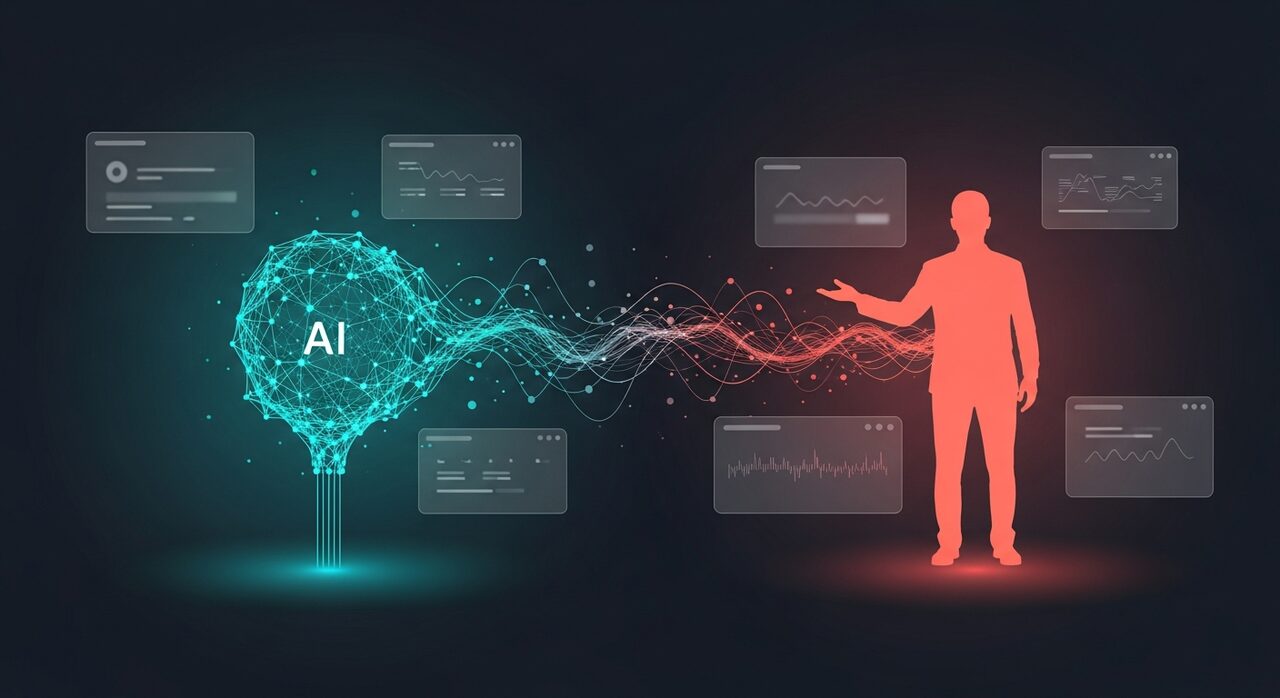
Wearable data coaching turns sleep, HRV, steps, and recovery metrics into practical behavior change—if you use the right system.

A biometric personal trainer turns wearable data into smarter workouts, better recovery decisions, and real accountability.

Fitness accountability turns good intentions into consistent action. Learn what works, what backfires, and how to build a system you’ll follow.

Learn what biological age really means, how wearables can help influence it, and which daily habits matter most for busy adults.

AI coaching can improve consistency, but only when paired with context, accountability, and human support. Here’s what actually works.

Learn how turning wearable data into action works in real life, with a simple system to convert sleep, HRV, steps, and recovery metrics into habits.

AI personal trainer apps can personalize workouts fast, but results depend on feedback, data, and accountability. Here's what actually works.

Why fitness apps fail without accountability: the real reason motivation fades, habits break, and wearable data never turns into results.

Learn how HRV and recovery-based training help you adjust intensity, avoid burnout, and use wearable data more effectively.

A fitness accountability partner can boost consistency—but only if the setup is right. Learn what works, what fails, and how to build lasting follow-through.

Learn how to lower your biological age with wearable data, better habits, and a practical 90-day plan grounded in current research.

AI fitness coach vs human personal trainer: see where AI wins, where humans still matter, and why a hybrid model often works best.

Wearable data coaching helps turn sleep, HRV, recovery, and activity metrics into clear, personalized actions that actually change behavior.

A biometric personal trainer turns wearable data into smarter training, recovery, and accountability than a basic fitness app can provide.

Fitness accountability helps turn good intentions into consistent action by pairing clear goals, real feedback, and fast course correction.

Biological age can reveal more than your birthday—but wearables only measure parts of it. Learn what wearable data can and can’t tell you.

AI coaching can turn wearable data into useful next steps, but results improve when human accountability fills the gaps AI still can’t.

Most fitness apps fail within weeks — not because of bad workouts, but because of an accountability gap. Here's what that gap is, and how RxFit closes it.

Your wearable shows an HRV number each morning — but what does it mean? A practical guide to reading HRV trends and turning them into smarter training.

AI coach vs. personal trainer: AI wins on cost and data; personal trainers win on accountability. An honest comparison — plus the hybrid model that beats both.