Biological Age: What Your Wearables Can Measure—and What They Can’t
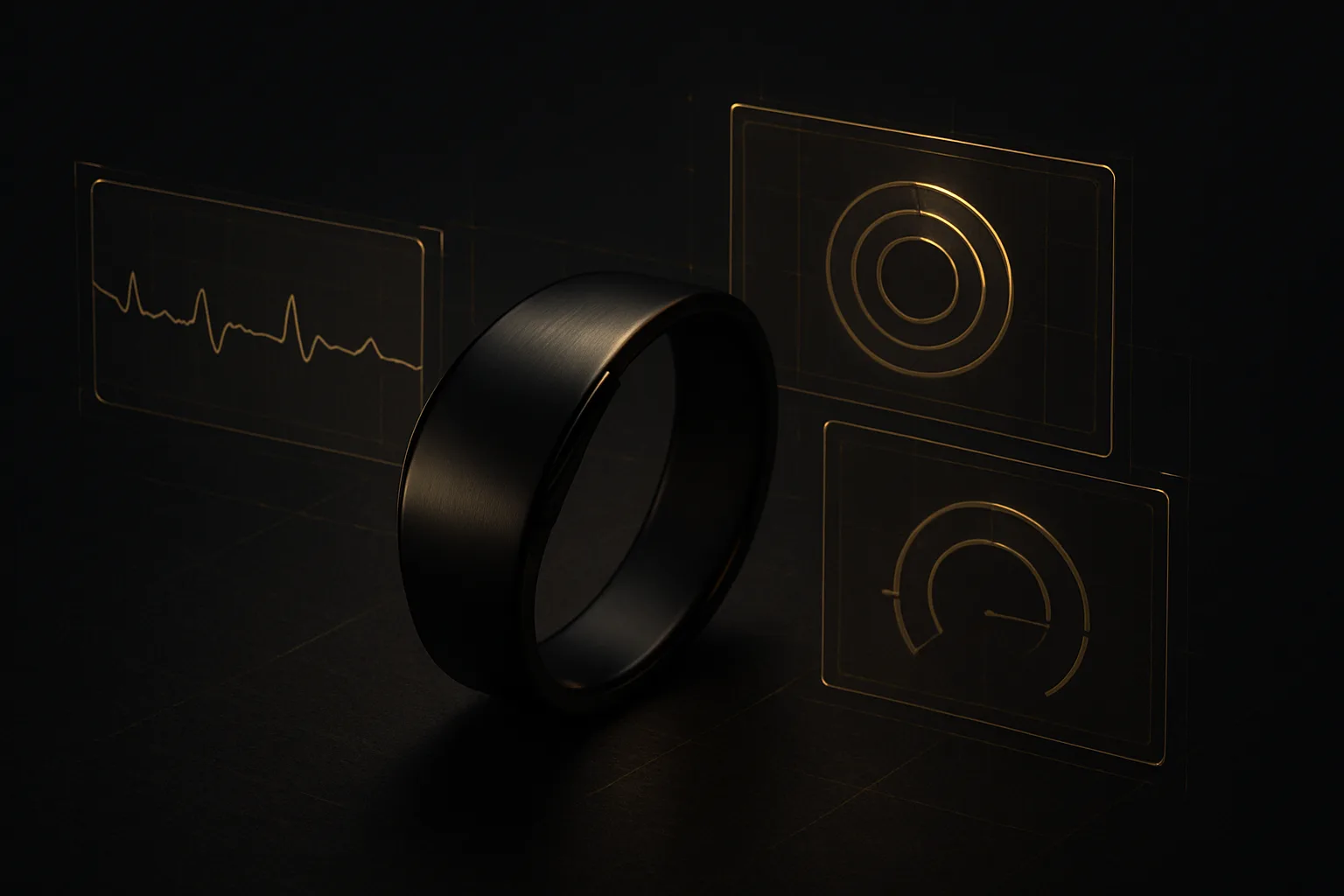
Biological age is a useful health concept, but your wearable does not directly measure it. What it can do well is track the fitness, recovery, sleep, and activity signals most likely to influence biological aging over time.
Biological age is not your birthday
Biological age is an estimate of how old your body appears to be functioning compared with your chronological age.
Two people can both be 42 on paper and have very different biological profiles. One may have strong cardiorespiratory fitness, good metabolic health, solid sleep, and resilient recovery. The other may show higher stress load, lower fitness, poorer sleep, and less favorable long-term risk markers.
That gap is why biological age gets so much attention.
It tries to capture the cumulative effects of:
- physical activity
- sleep and recovery
- nutrition
- stress
- body composition
- smoking and alcohol
- inflammation and metabolic health
- genetics and environment
The first thing to understand is that there is no single universal biological age score. Researchers use multiple methods, including epigenetic clocks, proteomic clocks, clinical biomarker models, metabolomic models, and functional or fitness-based models. A newer example is DNAmFitAge, a 2023 epigenetic aging measure designed to incorporate physical fitness and shown to relate to mortality risk better than earlier first-generation clocks.
That matters because consumer apps often present a clean-looking “age” number that feels definitive. It isn’t. In most cases, it is better treated as a directional estimate, not a verdict.
If you want the practical version: biological age is most useful when it helps you answer, “Is my body becoming more resilient or less resilient over time?”
What the science says biological age is actually useful for
Biological age matters because it often tracks health risk better than chronological age alone.
In a large Dutch Lifelines cohort study published in 2026, higher biological age acceleration was associated with higher all-cause mortality risk, and worsening acceleration over time was linked to even greater risk source. That is an important point: trajectory matters, not just a one-time score.
Similar findings showed up in a 2026 analysis of older Americans from the Health and Retirement Study. Researchers found that epigenetic age acceleration measures were associated with aging-related morbidity and mortality, reinforcing that these clocks capture meaningful health differences beyond calendar age source.
At the same time, not every biological age model is equally practical for everyday use.
For most people, fitness-linked aging measures are easier to influence and easier to act on. A 2024 study found that fitness age outperformed BMI in differentiating aging patterns and health-risk profiles in adults aged 51 to 80 source. That aligns with real-world coaching: BMI can miss a lot, while fitness, recovery, and physical capacity usually tell you more about how someone is actually functioning.
There is also growing evidence that biological age markers can improve with exercise:
- A 2026 pilot study found that a 6-month cycling intervention improved VO2 max by 20% and produced epigenetic age deceleration relative to expected aging trajectories source.
- A 2025 study combining UK Biobank data with a 12-week supervised intervention found that exercise reduced a proteomic aging score by the equivalent of about 10 months in the intervention group source.
- A 2025 Health and Retirement Study analysis found that physical activity was associated with decreased epigenetic aging, adding more support to movement as a modifiable lever source.
The takeaway is straightforward: biological age is not fixed. It appears responsive, at least in part, to behavior—especially sustained exercise and improved fitness.
What your wearable can measure—and what it can only estimate
Here’s the honest answer: your wearable does not directly measure biological age.
Your Apple Watch, Oura, Whoop, or Garmin typically measures signals like:
- resting heart rate
- heart rate variability
- sleep duration and timing
- respiration
- activity volume
- training load
- step count
- estimated VO2 max
- skin temperature trends
Those signals matter because they reflect systems tied to aging biology. But they are still proxies, not direct tests of cellular aging, methylation patterns, blood proteins, or metabolite profiles.
Think of your wearable as a dashboard for the behaviors and physiology that can influence biological aging.
The strongest wearable-relevant domains are:
1. Cardiorespiratory fitness
This is one of the most credible pathways linking wearables to biological age.
Why? Because better fitness consistently shows up in aging research. DNAmFitAge was specifically built to incorporate fitness-related measures source, and newer intervention studies suggest that improving fitness can coincide with improved epigenetic or proteomic aging markers source source.
Many wearables estimate VO2 max or aerobic fitness trends. These are not lab-perfect, but they are often directionally useful.
2. Recovery capacity
Recovery is where many busy adults first see strain show up.
If resting heart rate drifts up, HRV trends down, sleep becomes fragmented, and training feels harder at the same workload, that often reflects accumulated stress. HRV is not a magic score, but as a trend it can be useful. If you want a grounded primer, start with How to Read Your HRV: A Practical Guide to Heart Rate Variability.
3. Activity consistency
A single hard workout does almost nothing for your biological age. Consistent weekly behavior is what matters.
Wearables are excellent at answering a simple question: are you actually moving enough, often enough, to create adaptation? That makes them more valuable for habit tracking than for giving you one flashy “age” number.
4. Sleep patterns
Sleep is not just about total hours. Regularity, recovery quality, and enough sleep to absorb training all matter. Wearables are imperfect sleep tools, but they are usually good enough to show whether your routine supports recovery or keeps undermining it.
The mistake most people make with biological age scores
They obsess over the score and ignore the inputs.
That is backwards.
A biological age estimate can be motivating, but it becomes unhelpful when it turns into:
- checking the number every day
- stressing over tiny swings
- comparing scores with strangers online
- chasing “anti-aging” hacks while ignoring training, sleep, and consistency
Most biological age models change slowly. What tends to move them is the sum of repeated behaviors, not one perfect week.
This is also where wearables often fall short for busy professionals. The issue usually is not lack of data. It is lack of translation.
You already have the device. You may already have years of sleep, HRV, and activity history. But unless that data gets turned into a realistic plan, it stays as interesting information instead of useful action.
That is the same gap behind why so many health apps underperform in real life. We break that down in The Accountability Gap: Why Fitness Apps Fail (And What Closes It).
A better question is: “Are my daily behaviors making my biology more resilient over the next 3 to 6 months?”
That framing leads to better decisions than chasing a single score.
If you want a related practical guide, read Biological Age: What Wearables Can Help You Improve.
The wearable metrics that matter most if you want to improve biological age
If your goal is to influence biological age in a practical, evidence-aligned way, focus on the metrics most tied to fitness, recovery, and consistency.
Prioritize these first
1. Estimated VO2 max or aerobic fitness trend
This is one of the strongest high-level indicators of functional health and one of the most relevant wearable-linked proxies for healthier aging.
2. Resting heart rate
Lower is not always better in isolation, but upward drift can signal lower fitness, illness, poor sleep, or rising stress load.
3. HRV trend
Do not worship the number. But over time, it can help you see whether recovery is improving or whether your system is under strain. For a practical next read, see HRV and Recovery-Based Training: How to Train Harder Without Guessing.
4. Sleep consistency
Less glamorous than sleep stages, often more actionable.
5. Weekly activity minutes and training frequency
Your body responds to repeated inputs, not motivation spikes.
Use them in this order
For most adults, the highest-return sequence looks like this:
- establish a baseline for sleep, activity, resting heart rate, and HRV for 2 weeks
- increase weekly aerobic work gradually
- add 2 strength sessions per week
- use recovery trends to adjust intensity instead of guessing
- reassess progress after 8 to 12 weeks
That timeline matters. The biology behind aging does not meaningfully change from Monday to Tuesday. What changes first is whether your behavior becomes consistent enough to create adaptation.
If you want a deeper behavior-change playbook, How to Lower Your Biological Age Using Wearable Data That Actually Changes Behavior goes further on the execution side.
A smarter way to use biological age without getting misled
Use biological age as a conversation starter, not a final answer.
A smart approach looks like this:
- treat biological age estimates as directional, not absolute
- use your wearable to track the drivers you can actually change
- focus on trends over months, not drama over days
- add context: travel, illness, alcohol, work stress, and under-recovery all affect the data
- prioritize interventions with the strongest signal: exercise, sleep, recovery, and consistency
This is where AI can help—if it stays practical.
Pattern recognition is useful. Seeing that your HRV always drops after late-night work or that your resting heart rate rises after three low-sleep nights is useful. But behavior change usually breaks down when no system helps you adjust after a missed week, a deadline-heavy month, or a schedule collapse.
That is why the best use of wearable data is not more dashboards. It is clear next actions, accountability, and course correction.
RxFit.ai combines your wearable data with AI pattern detection and a real human accountability coach, so you can focus on the handful of changes most likely to improve fitness, recovery, and long-term health trends. If you want to turn data into action instead of more screen time, explore /compare, browse the /blog, or start with the Kickstart plan at $49/month with a 7-day free trial.
- ✓Biological age is not one universal number—it depends on the model and biomarkers being used.
- ✓Wearables do not directly measure biological age; they measure proxies like VO2 max, resting heart rate, HRV, sleep, and activity.
- ✓Fitness and physical activity are among the strongest practical levers linked to healthier biological aging.
- ✓The most common mistake is obsessing over the score instead of improving the behaviors that drive it.
- ✓Wearable data becomes far more useful when it is turned into a realistic, repeatable plan.
Frequently Asked Questions
What is biological age?
Biological age is an estimate of how old your body appears to be functioning compared with your chronological age. It is based on health-related signals such as fitness, metabolic health, recovery, and biomarkers rather than your birth date alone.
Can my Apple Watch, Oura, Whoop, or Garmin measure biological age directly?
No. Wearables do not directly measure biological age at the cellular or molecular level. They measure proxy signals like heart rate, HRV, sleep, activity, and estimated VO2 max, which can reflect habits and physiology related to healthy aging.
Which wearable metrics matter most for improving biological age?
The most useful metrics are usually estimated VO2 max, resting heart rate, HRV trends, sleep consistency, and weekly activity volume. These are practical because they connect more directly to behaviors you can improve over time.
How often should I check my biological age score?
Not daily. Biological age is better treated as a longer-term trend, usually over months rather than days. Checking too often encourages overreaction to noise instead of focusing on the habits that actually matter.
Can exercise really lower biological age?
Current research suggests exercise can improve some biological aging markers, especially those tied to fitness and metabolic function. The effect is not instant, and it varies by the model used, but sustained training appears to move the biology in a healthier direction.
What is the best way to use wearable data for biological age?
Use your wearable to track the inputs, not obsess over the score. Build consistency in sleep, aerobic work, strength training, and recovery, then review trends over 8 to 12 weeks and adjust based on what the data and your real life are telling you.
The RxFit.ai Research Team turns peer-reviewed studies and wearable-data trends into practical coaching guidance. Every post is reviewed against our coaching methodology: AI insight, human accountability.
Open the RxFit web app → Compare coaching options →